
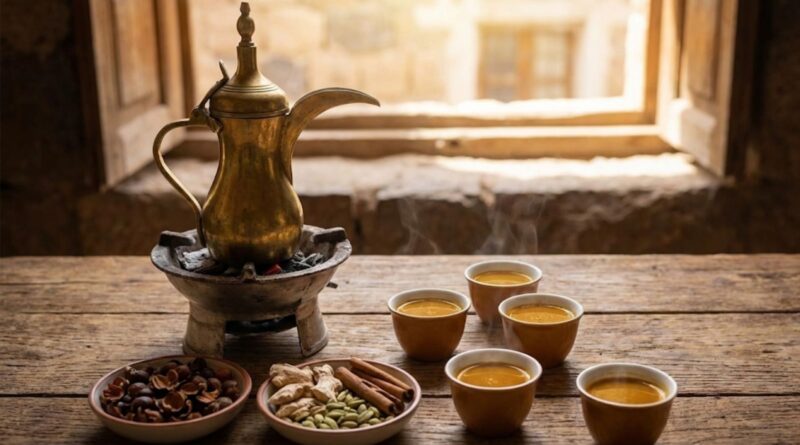
How to Make Yemeni Coffee | A Step-by-Step Guide
If you have ever walked past a traditional Yemeni coffee shop, you were likely stopped in your tracks by the incredible aroma of ginger, cardamom, and roasted husks. Learning how to make Yemeni coffee allows you to bring that warm, comforting experience into your own kitchen. Unlike your standard morning espresso, this drink is a celebration of spice and history.
Yemeni coffee, often referred to as Qishr, is not just a caffeine fix; it is a ritual. It is lighter than American coffee, sweeter than Turkish coffee, and packed with aromatic spices that aid digestion. Whether you are hosting guests or looking for a cozy drink on a rainy afternoon, this guide will teach you exactly how to make Yemeni coffee in less than 15 minutes.
In this post, we will cover the cultural significance of this drink, the essential ingredients you need, and a simple Yemeni coffee recipe that tastes just like the real thing.
What is Yemeni Coffee (Qishr)?
Before diving into how to make Yemeni coffee, it helps to understand what makes it unique. Yemen is one of the oldest coffee cultures in the world. The port city of Al Mokha (Mocha) was once the heart of the global coffee trade. However, the locals often kept the coffee cherry husks (cascara) for themselves, creating a drink called Qishr.
When people ask about making traditional Yemeni drinks, they are usually talking about one of two things:
- Qishr: A tea-like beverage made from coffee husks and ginger.
- Spiced Coffee: Ground light-roast coffee beans brewed with a specific Yemeni spice blend known as Hawaij.
Both versions are delicious, but the ginger-heavy Qishr is the most famous. It offers a unique balance of spicy and sweet that you won’t find in your local chain cafe. Understanding the cultural significance of Yemeni coffee adds to the enjoyment; it is traditionally served to welcome guests and is often consumed after meals to settle the stomach.
Ingredients You’ll Need
To master how to make Yemeni coffee, you need to gather the right spices. The magic is in the blend. You aren’t just brewing beans; you are creating a flavor profile that is spicy, sweet, and aromatic.
Here are the essential items for a standard Yemeni coffee recipe:
- Water: 4 cups of filtered water.
- Coffee Husks (Qishr) or Ground Coffee: ½ cup of husks or 2 tablespoons of very light roast ground coffee.
- Ginger: 1 tablespoon of fresh ginger (minced) or 2 teaspoons of dried ginger powder. (Fresh is best for heat).
- Cardamom: 4–5 whole green pods (crushed slightly) or 1 teaspoon ground.
- Cinnamon: 1 small stick or a pinch of powder.
- Cloves: 2–3 whole cloves.
- Sugar or Honey: Sweeten to taste (Yemeni coffee is traditionally sweet).
If you cannot find coffee husks, you can use a very light roast coffee bean, often labeled as “white coffee” in Middle Eastern markets. This preserves the nuttiness required for how to make Yemeni coffee authentically.
Step-by-Step: How to Make Yemeni Coffee
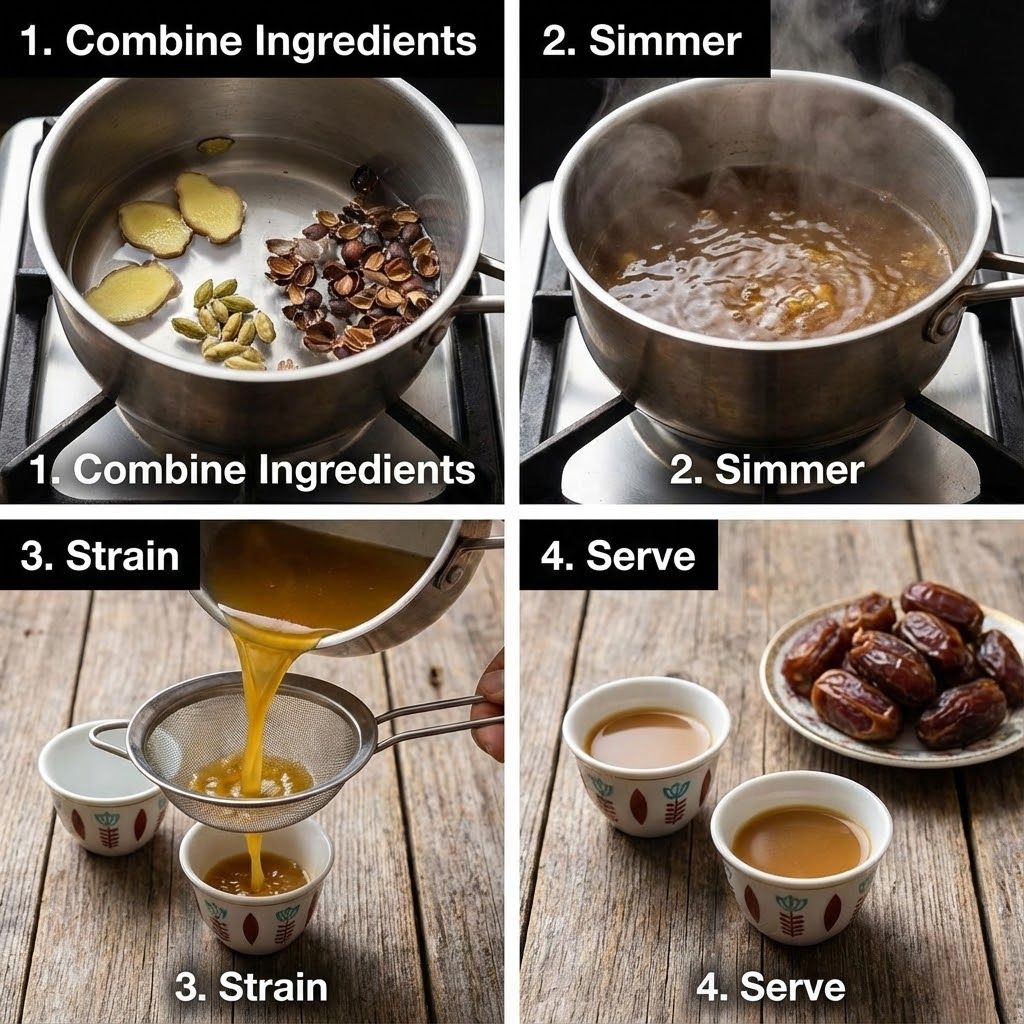
Now, let’s get brewing. This step-by-step Yemeni coffee tutorial is designed for beginners. You don’t need fancy equipment—just a pot (or a traditional dallah) and a stove.
Step 1: Prepare Your Water and Spices
Pour 4 cups of water into a pot and place it on the stove over medium heat. Add your ginger, cardamom, cinnamon, and cloves directly to the cold water. Bringing the water to a boil with the spices ensures the flavors infuse deeply into the liquid.
Step 2: Add the Coffee or Husks
Once the water reaches a rolling boil and smells fragrant, add your coffee husks or light roast ground coffee. Add sugar at this stage if you like your coffee sweet. Stir gently to combine.
Step 3: The Simmer (Crucial Step)
This is the secret to how to make Yemeni coffee that tastes smooth. Lower the heat to low. Let the mixture simmer gently for at least 10 to 12 minutes. The liquid will turn a rich golden-brown color. If you are using ground beans instead of husks, it may look darker.
Step 4: Strain and Serve
Remove the pot from the heat. Allow it to sit for a minute so the spices and shells settle at the bottom. Pour the coffee through a fine-mesh strainer into small cups.
The result should be a hot, spicy drink that warms your throat. The strong ginger kick is the signature of a great Yemeni coffee recipe.
Variations: Lattes and Caffeine-Free Options
Once you know the basics of how to make Yemeni coffee, you can experiment with variations.
The Yemeni Latte
For a creamier version, you can try a Yemeni latte recipe. Follow the steps above to make a strong concentrate of the spiced coffee. Then, steam milk (or a dairy-free alternative) and mix it with the coffee concentrate in a 1:1 ratio. The milk mellows out the spicy ginger, making it a comforting morning treat.
Caffeine-Free Alternatives
Many people ask about caffeine-free coffee alternatives. While traditional Qishr does contain caffeine (though less than a standard cup of drip coffee), you can make a purely herbal version. simply omit the husks/coffee and increase the ginger. This creates a “Yemeni Ginger Tea” that carries the same flavor profile without the buzz.
Common Questions About Yemeni Coffee
Is Yemeni coffee the same as Arabic coffee?
Not exactly. While they share similarities, the difference lies in the spices. Arabic coffee vs Yemeni coffee usually comes down to ginger. Arabic coffee relies heavily on cardamom and is often unsweetened, served with dates. Yemeni coffee is defined by a strong ginger presence and is usually sweetened during the brewing process.
What is Qishr and how to brew qishr at home?
Qishr is the dried husk of the coffee cherry. To learn how to brew qishr at home, you simply treat the husks like loose-leaf tea. Simmer them with spices for a longer period than you would regular coffee grounds to extract the flavor.
Can I make this if I don’t have husks?
Yes! You can learn how to make Yemeni coffee using very light roast Arabica beans. Grind them coarsely and brew with the same spices. It won’t be exactly the same as Qishr, but it will be delicious.
What to Serve With Yemeni Coffee
Yemeni coffee is intense and spicy, so it pairs well with sweet or creamy items. If you are looking to expand your drink menu at home, here are some other great recipes from wasabi-mixer.com that you might enjoy.
If you are hosting a gathering, you might want to offer a cold option for guests who don’t drink hot coffee. A mango monsoon tropical smoothie offers a sweet, fruity contrast to the spicy coffee.
For those looking for health-focused drinks, after enjoying the digestive benefits of ginger coffee, you might be interested in a Detox Island Green Smoothie for your next morning start.
If you are looking for something richer and more indulgent to serve as a dessert alongside your coffee, check out the how to make an oreo milkshake guide. It’s a hit with kids and adults alike.
Alternatively, if you want a fast food style treat, our guide to the best five guys milkshake is a must-read.
For the adults at the party who might want something with a bit more “kick” later in the evening, you can learn what goes in a green tea shot for a fun cocktail hour addition.
Conclusion
Learning how to make Yemeni coffee is an easy way to explore a new culture without leaving your kitchen. The combination of boiling water, ginger, cardamom, and coffee husks creates a beverage that is soothing, spicy, and deeply satisfying.
Whether you stick to the traditional Qishr method or try a Yemeni latte recipe, the key is patience during the simmering process. Don’t rush it. Let the spices do their work.
Now that you know the secrets, try making a pot today. Your house will smell amazing, and your stomach will thank you. For more unique drink recipes and tutorials, keep exploring wasabi-mixer.com.