
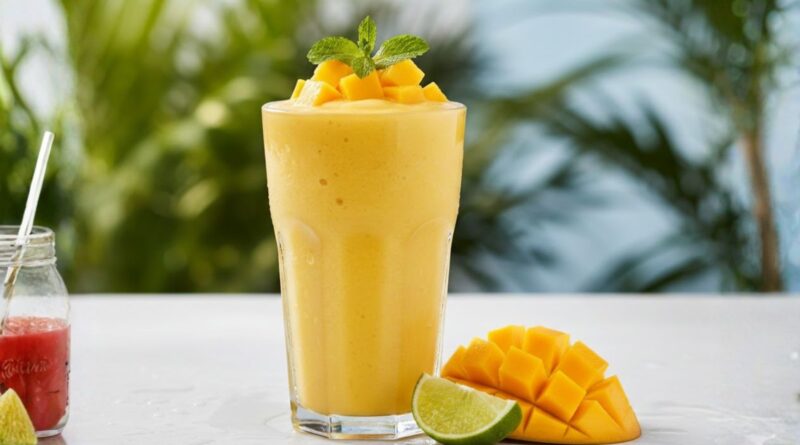
Mango Monsoon Tropical Smoothie: Easy Recipe for the Perfect Tropical Drink
Mango monsoon tropical smoothie brings vacation vibes straight to your kitchen with its creamy texture and bright tropical flavor. Popularized by Tropical Smoothie Café, this beloved drink combines sweet mango, rich coconut milk, and tangy orange juice into a thick, refreshing treat that works beautifully as breakfast, a post-workout snack, or a healthy dessert.
You don’t need barista training or fancy equipment to recreate this at home. A basic blender, five simple ingredients, and about three minutes are all it takes to enjoy a café-quality smoothie that rivals any restaurant version.
What Makes the Tropical Smoothie Mango Monsoon Special?
The tropical smoothie mango monsoon has earned its spot as a menu favorite because it delivers bold flavor without artificial ingredients or excessive sugar. Sweet mango provides natural sweetness and a gorgeous orange color. Creamy coconut milk adds richness that feels indulgent but comes entirely from plants. A splash of fresh orange juice brightens the whole experience.
Mango shines as the star ingredient here, and for good reason. One cup of mango chunks provides about 100% of your daily vitamin C needs and offers nearly 10% of your fiber requirements. The natural sugars give you quick energy, while the fiber helps sustain it throughout your morning.
Texture sets this smoothie apart from thinner juice-based drinks. The mango monsoon achieves that thick, spoonable consistency you can eat with a spoon or sip slowly through a straw. Frozen fruit creates this perfect body without watering down the tropical flavor.
Everyone from kids to fitness enthusiasts finds something to love about this drink. Children adore the bright color and naturally sweet taste. Adults appreciate how it satisfies cravings while delivering real nutrition and keeping them full until lunch.
Tropical Smoothie Mango Monsoon: Taste and Texture Profile
Ripe mango brings a honeyed sweetness with subtle peachy notes that make every sip enjoyable. Coconut milk contributes gentle tropical flavor and that signature velvety smoothness. Orange juice adds a tart brightness that keeps the drink from feeling too heavy or one-dimensional.
The texture mimics soft-serve ice cream more than traditional juice. Thick enough to coat your spoon, but smooth enough to drink easily through a wide straw. You won’t find any icy chunks or grainy bits if you blend it properly.
Compared to heavier chocolate or peanut butter smoothies, the mango monsoon tropical smoothie feels lighter and more refreshing. Yet it still fills you up thanks to the fiber and healthy fats from coconut. Perfect for warm days when you want something cooling but substantial enough to satisfy real hunger.
How to Make a Mango Monsoon Tropical Smoothie
Recipe Card
Prep Time: 5 minutes
Total Time: 5 minutes
Servings: 2 large smoothies
Ingredients
- 2 cups frozen mango chunks
- 1 cup full-fat coconut milk (canned)
- ½ cup fresh orange juice
- ¼ cup ice cubes
- 2 tablespoons honey or agave nectar
- ½ teaspoon vanilla extract (optional)
Step-by-Step Instructions
- Pour the coconut milk and orange juice into your blender first. Liquid at the bottom helps the blades move freely and prevents frozen fruit from getting stuck under the blades.
- Add the frozen mango chunks on top of the liquid layer. Frozen mango works better than fresh because it creates that signature frosty thickness everyone loves.
- Drop in the ice cubes and drizzle the honey over everything. Add vanilla extract if you’re using it—the vanilla enhances tropical notes beautifully without overwhelming the mango.
- Secure the blender lid tightly and blend on high speed for 45 to 60 seconds. Stop halfway to scrape down the sides with a spatula if you notice chunks sticking.
- Check the consistency by turning off the blender and tilting it slightly. Your mango monsoon tropical smoothie should pour slowly and hold its shape when you pour it into glasses.
- Taste and adjust sweetness if needed. Ripe mangoes vary significantly in sugar content, so you might want more or less honey depending on your fruit.
- Pour immediately into two tall glasses and serve right away for the best texture and temperature.
Recipe Notes and Pro Tips
Coconut milk choice matters. Full-fat canned coconut milk creates the richest, creamiest texture. Light coconut milk or coconut beverage from a carton produces a much thinner result that won’t feel as satisfying.
Fresh mango option: Use one large ripe mango, peeled and cubed. Increase ice to ¾ cup to compensate for the lack of frozen fruit and achieve proper thickness.
Orange juice substitutes: Pineapple juice, mango juice, or a generous squeeze of fresh lime all work beautifully. Avoid using plain water—you’ll lose that essential bright citrus note.
Sweetener alternatives: Maple syrup, two pitted Medjool dates, or half a ripe banana all add natural sweetness. Skip sweetener entirely if your mango is very ripe and sweet on its own.
Blender struggles? Add another splash of coconut milk and blend in short pulses rather than continuous high speed. High-powered blenders like Vitamix handle frozen fruit easily, but any blender works with patience and proper technique.
Dairy-Free and Protein-Packed Variations
Great news—the basic mango monsoon recipe already qualifies as dairy-free and vegan. Coconut milk replaces any need for cow’s milk or yogurt. Just swap honey for agave nectar or maple syrup to keep it fully plant-based.
Transform your smoothie into a post-workout recovery drink by adding protein. One scoop of vanilla or unflavored protein powder blends seamlessly into the tropical smoothie mango monsoon recipe. Add it to the liquid first, pulse briefly, then add the fruit for smooth integration.
Greek yogurt boosts protein naturally and adds pleasant tang. Replace ¼ cup of coconut milk with plain or vanilla Greek yogurt. You’ll get about 10 extra grams of protein per serving and slightly thicker texture.
Silken tofu works surprisingly well as a protein boost. Blend ¼ cup with the liquids before adding fruit. Nobody will taste it, but you’ll get extra protein and even creamier consistency.
Low-Sugar Mango Monsoon Option
Ripe mango contains natural sugars—about 22 grams per cup—but these come packaged with fiber and nutrients your body needs. Skip the added honey completely and let the fruit’s natural sweetness shine through. Most people find this perfectly sweet enough.
Reduce or eliminate orange juice to cut sugar further. Replace it with unsweetened coconut water or plain water plus a generous squeeze of lime for that bright citrus note without extra sugar.
Half the mango and bulk up your mango monsoon tropical smoothie with frozen cauliflower rice instead. Sounds unusual, but frozen cauliflower blends completely smooth and adds thickness without any detectable flavor. Your kids will never know it’s there.
Flavor Variations Worth Trying
Pineapple Mango Fusion: Replace one cup of mango with frozen pineapple chunks. The combination delivers extra tropical vibes and a pleasant tang that balances the sweetness perfectly.
Berry Mango Blend: Add ½ cup frozen strawberries or mixed berries. You’ll get a gorgeous pink-orange color and deeper fruit complexity that makes the drink feel more special.
Green Mango Power: Toss in a handful of fresh spinach or kale. The mango’s sweetness completely masks the greens, but you still get valuable nutrients. Curious about other green drinks? Check out what goes in a green tea shot for a different approach to healthy beverages.
Turmeric Golden Mango: Add ¼ teaspoon ground turmeric and a tiny pinch of black pepper. The turmeric adds earthy notes and anti-inflammatory benefits without overpowering the fruit.
Serving and Storage Tips
Serve your mango monsoon tropical smoothie in a tall glass with a wide reusable straw or a long spoon. The thick texture makes it fun to eat slowly and savor every spoonful.
Garnish with a fresh mango slice on the rim, toasted coconut flakes, a lime wedge, or fresh mint. Small touches make the drink feel special and look beautiful for photos.
Smoothie bowls turn this drink into a complete meal. Pour the blended mixture into a shallow bowl and arrange toppings like granola, sliced banana, fresh berries, or chia seeds on top. The thick consistency holds toppings perfectly without everything sinking.
Store leftover smoothie in an airtight container in the fridge for up to 24 hours. The mixture will separate naturally—just shake well or give it a quick re-blend before drinking. Freezing extends storage up to three months in ice cube trays or small jars.
Why Homemade Beats Café Versions
Making your own tropical smoothie mango monsoon means complete control over ingredients. No hidden sugars, artificial flavors, or mystery additives. You know exactly what goes into your glass and can adjust everything to your preferences.
Cost savings add up quickly too. A large smoothie from a café runs $6 to $8 or more. Making the mango monsoon tropical smoothie at home costs about $2 to $3 per serving. Make two smoothies per week and you’ll save over $400 annually.
Fresh beats pre-made every single time. Café smoothies often sit in the fridge or use concentrates and syrups. Your homemade version uses whole fruit and real coconut milk blended moments before you drink it. The difference in taste and quality is immediately noticeable.
Frequently Asked Questions
Can I use fresh mango instead of frozen?
Absolutely. Peel and cube one large ripe mango, then increase the ice to ¾ cup to achieve proper frozen consistency. Fresh mango gives brighter flavor but requires more ice.
What if I don’t have coconut milk?
Any milk works—dairy, almond, oat, or cashew. The flavor shifts slightly away from the tropical profile, but you’ll still enjoy a delicious mango smoothie.
How thick should the texture be?
Aim for consistency between a milkshake and soft-serve ice cream. The mango monsoon should pour slowly and hold its shape in the glass. You should be able to sip it through a wide straw or eat it with a spoon.
Is this good for meal replacement?
The smoothie works as a light meal when you add protein powder or Greek yogurt. The base recipe provides about 300 calories, so add nuts, seeds, or oats for a more complete meal that keeps you satisfied longer.
More Delicious Drink Ideas
Love tropical flavors beyond smoothies? The Sunjoy Drink Recipe combines sweet tea with lemonade for a refreshing alternative that’s lighter and less filling. Sometimes you want something cool and fruity without the thickness.
Craving something more indulgent instead? Learn about the best five guys milkshake options for when you want a full dessert experience. Balance is important—enjoy your healthy smoothies most days and treat yourself occasionally.
Explore more creative beverages and unique recipes at wasabi-mixer.com where you’ll find everything from mocktails to innovative flavor combinations that keep your routine interesting.
Try This Recipe Today
The mango monsoon tropical smoothie delivers vacation vibes without leaving your kitchen. Sweet, creamy, and naturally nutritious, this drink comes together in five minutes and satisfies in ways that sugary juice never could.
Grab your blender and frozen mango right now. Start with the basic recipe to understand the flavor profile, then experiment with variations until you discover your perfect version. The beauty of smoothies lies in how easily you can customize them to match your exact taste preferences and dietary needs.
Make a batch this weekend and share it with your family. They’ll love the tropical flavor and you’ll love knowing they’re getting real nutrition from whole ingredients. What variation will you try first?
Pingback: Best Dunkin Strawberry Dragonfruit Refresher Recipe DIY