
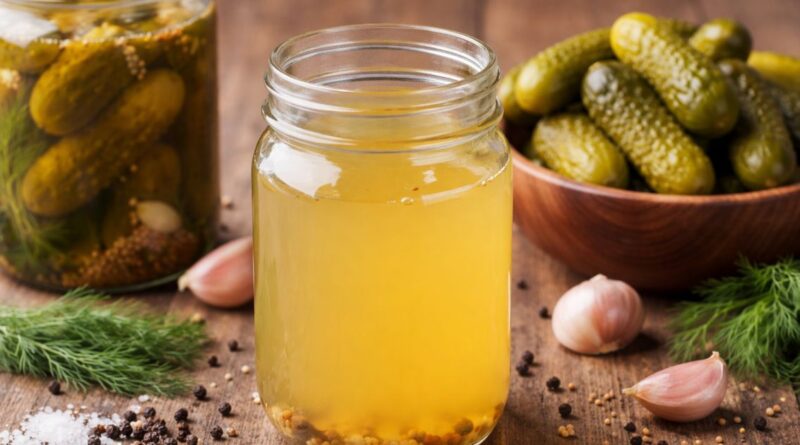
How to Make Pickle Juice for Cramps
Pickle juice has become one of the most powerful and natural remedies for pain. Many athletes, runners, gym-goers, and those who suffer from leg cramps at night use it because it provides relief in 30-90 seconds. In this article, you’ll learn how pickle juice works, how to make the best homemade version, when to drink it, and how much you should drink. You’ll also learn the science behind it, its ingredients, nutritional facts, and important safety notes you should know.
What Is Pickle Juice and Why Is It Used for Cramps?
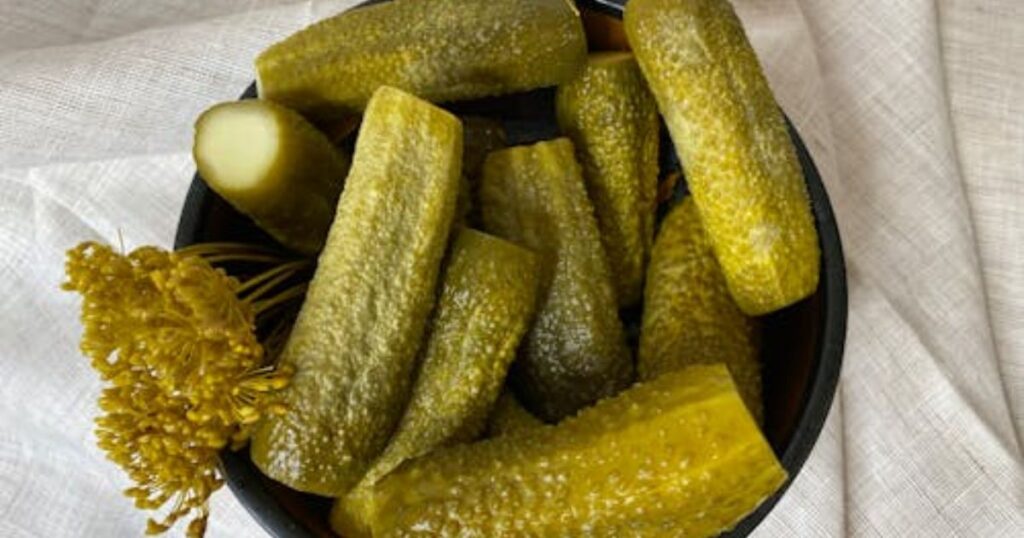
Pickle juice is a salty, flavorful liquid used to preserve and pickle cucumbers. It’s made with water, vinegar, salt, and spices. But it’s not just a leftover liquid — it’s a natural remedy that athletes have been using for decades to quickly relieve muscle pain. Research shows that the strong taste of vinegar and salt triggers a nerve response in the mouth and throat. This response sends a signal to the nerves that control muscle contractions, which helps the muscles relax. That’s why pickle juice stops pain faster than water, bananas, sports drinks, or electrolyte powders. It also works for leg cramps, foot cramps, thigh cramps, stomach cramps, and even exercise-related pain.
Best Pickle Juice for Cramps
Not all pickle juice is created equal. The best pickle juice for pain has the right balance of salt, vinegar, and electrolytes, without artificial chemicals or too much sugar.
The most effective versions are usually those that use natural sea salt or Himalayan salt, distilled vinegar, and clean ingredients.
Fermented pickle juice is also very powerful because it contains natural probiotics, which support gut health and promote overall healing. Some people prefer store-bought pickle juice because it’s quick and ready to use. Some people choose homemade pickle juice because it’s fresh, clean, and more customizable. Both help with pain, but homemade versions often have a stronger, purer flavor, making them better for fast relief.
Salt Quality in Pickle Juice
The type of salt used in pickle juice plays a big role in how well it works. High-quality salts like Himalayan salt or sea salt contain extra minerals such as magnesium and potassium. These minerals help the muscles relax naturally but it does not contain these natural minerals. When preparing homemade pickle juice, it is better to choose a mineral-rich salt because it strengthens the body’s electrolyte balance and increases the cramp-relief effect.
Pickle Juice Probiotics
If your pickle juice is fermented naturally, it contains live probiotics. These healthy bacteria improve digestion, prevent bloating, and support muscle recovery. Fermented pickle juice has a cloudy appearance and a sour, sharp smell. It is excellent for gut health and helps reduce inflammation.Probiotics do not directly stop cramps, they improve your body’s long-term performance and recovery.
Pickle Juice Ingredients
Pickle juice uses very simple ingredients found in every kitchen.
Here is what is normally included:
- Water
- Vinegar (white distilled vinegar works best)
- Salt (preferably Himalayan or sea salt)
- Dill or dill seeds (for extra flavor and muscle relaxation)
- Garlic
- Mustard seeds
- Peppercorns
- Sugar (optional)
- Chili flakes (optional for spicy versions)
Each ingredient has a purpose. Vinegar activates the cramp-relief signal. Salt restores electrolyte levels quickly. Dill acts as a natural anti-inflammatory herb. Garlic improves circulation. Peppercorns add antioxidants. This combination makes pickle juice both healthy and powerful for muscle relaxation.
How to Make Pickle Juice at Home
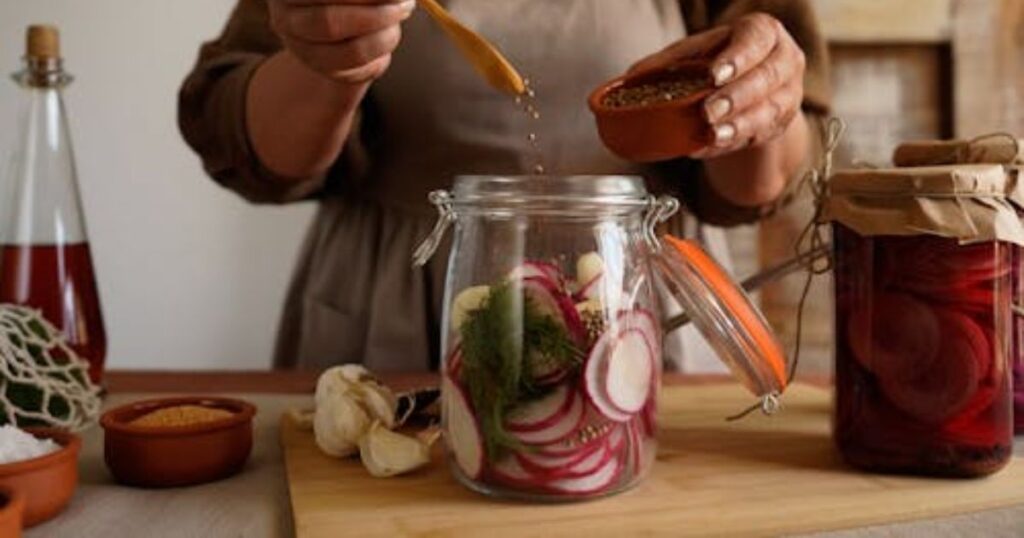
Making pickle juice at home is simple and takes only a few minutes. Homemade pickle juice is free from preservatives, artificial coloring, and unhealthy additives. It is stronger, fresher, and more effective for cramps.
Ingredients Needed
- 2 cups water
- 1 cup white vinegar
- 1 tablespoon Himalayan or sea salt
- 1 teaspoon sugar (optional)
- 1 teaspoon dill
- 3–4 garlic cloves
- 1 teaspoon peppercorns
- Optional: chili flakes, ginger slices
Instructions
- Add water, vinegar, salt, sugar, and spices to a pot.
- Heat the mixture on medium until the salt dissolves completely.
- Turn off the heat and let it cool down fully.
- Pour the liquid into a glass jar and store it in the fridge.
- The flavor becomes stronger after 24 hours.
This homemade recipe can last up to 4 weeks when stored properly. Shake the jar every few days to help the flavors mix better.
Pickle Juice Nutrition Facts
Here is the approximate nutrition profile for 1 cup of pickle juice:
| Nutrient | Amount |
| Calories | 20–25 |
| Sodium | 800–900 mg |
| Carbohydrates | 1–3 g |
| Potassium | 20–30 mg |
| Magnesium | Small trace |
| Vinegar acids | High |
| Water content | 90–95% |
Pickle juice is low in calories and high in sodium, making it excellent for restoring lost electrolytes. The vinegar improves digestion and balances blood sugar. Dill adds antioxidants and helps reduce inflammation.
What Is the Difference Between Homemade Pickle Juice and Store-Bought?

Homemade and store-bought pickle juice both help with cramps, but they are not the same.
Homemade Pickle Juice
- Made with clean, natural ingredients
- Higher vinegar and salt purity
- No preservatives
- Stronger flavor (faster relief)
- Can be adjusted to your needs
- Contains natural probiotics if fermented
Store-Bought Pickle Juice
- Convenient and ready-to-drink
- Long shelf life
- Often contains preservatives
- Sometimes includes artificial colors
- May be diluted or sweetened
Overall, homemade pickle juice provides better cramp relief because it is fresher and stronger.
How Pickle Juice Helps With Muscle and Leg Cramps
Pickle juice works in two major ways:
1. Neuromuscular Reflex Activation
The sour, salty taste stimulates nerves in the mouth and throat.
These nerves send a signal to the spinal cord that stops the muscle from contracting.
This is why cramps stop in 90 seconds or less.
2. Electrolyte Restoration
Pickle juice contains high sodium, small amounts of potassium, and trace minerals.
These ingredients help the muscles maintain balance and reduce the risk of further cramps.
This combination makes pickle juice highly effective for leg cramps, workout cramps, dehydration cramps, and heat exhaustion.
FAQs About Pickle Juice for Cramps
How does pickle juice work?

Pickle juice triggers a nerve reflex in the mouth and throat that stops the muscle from contracting. Its high sodium also helps restore electrolyte balance.
How fast does pickle juice help cramps?

It usually works within 30–90 seconds, giving almost instant cramp relief.
Does pickle juice have electrolytes?
Yes, it contains sodium, small amounts of potassium, and trace minerals depending on the salt used.
Does pickle juice help with muscle recovery?
It supports recovery by restoring sodium, reducing dehydration, and improving nerve function, especially after workouts.
What drink stops leg cramps?
Pickle juice is one of the fastest options, but electrolyte drinks, coconut water, and sports drinks also help.