
How to Make a Weight Loss Smoothie
Making the perfect weight-loss smoothie isn’t just about throwing fruit into a blender. A true fat-burning smoothie requires the right balance of nutrients, the right portion sizes, strategic ingredients, and a science-backed combination of ingredients that control hunger, boost metabolism, and burn fat. When designed properly, weight-loss smoothies can be a powerful tool in a calorie-controlled diet because they’re quick, customizable, and nutritious. This comprehensive guide covers everything—from the science behind effective smoothies to dietitian-approved ingredients, timing strategies, and step-by-step instructions—so you can make weight-loss smoothies that actually work.
What Makes a Weight Loss Smoothie Actually Effective?
A weight loss smoothie becomes effective when it supports fat loss by controlling hunger, maintaining stable blood sugar, delivering high nutrition per calorie, and preventing overeating later in the day.
Understanding the difference between a regular smoothie and a weight loss smoothie
Regular smoothies are often loaded with sugar, fruit juice, or large portions of high-calorie ingredients. Weight loss smoothies are balanced with controlled calories, high protein, fiber, and healthy fats.
Why most smoothies fail at promoting weight loss
Most people add too much fruit, nut butter, sweetened yogurt, or juice—resulting in a hidden calorie bomb.
How smoothie thickness impacts hunger control
Thicker smoothies slow down gastric emptying, increasing satiety and reducing snacking.
Ideal nutrient ratios for effective weight-loss smoothies
A good ratio:
- Protein: 20–30g
- Fiber: 8–12g
- Healthy fats: 8–12g
- Calories: 300–450 (for meal replacement)
The Science Behind Smoothies and Weight Loss
Science shows that well-balanced smoothies can improve satiety, reduce calorie intake, and support long-term weight management when prepared correctly.
What nutritional research actually says about smoothies and fat loss
Studies show higher protein + fiber meals decrease hunger hormones and increase fullness hormones, leading to fewer calories consumed overall.
How blended foods influence digestion and calorie absorption
Blending does not destroy fiber; it only changes texture. This makes smoothies easier to digest while still keeping the nutrients intact.
Can daily smoothies support sustainable weight loss?
Yes—when used as a nutrient-dense meal replacement rather than a sugary beverage.
Common scientific misconceptions about smoothies
Myth: Smoothies are always healthy.
Truth: Only balanced, portion-controlled smoothies support fat loss.
Ingredients That Make a Smoothie Burn Fat
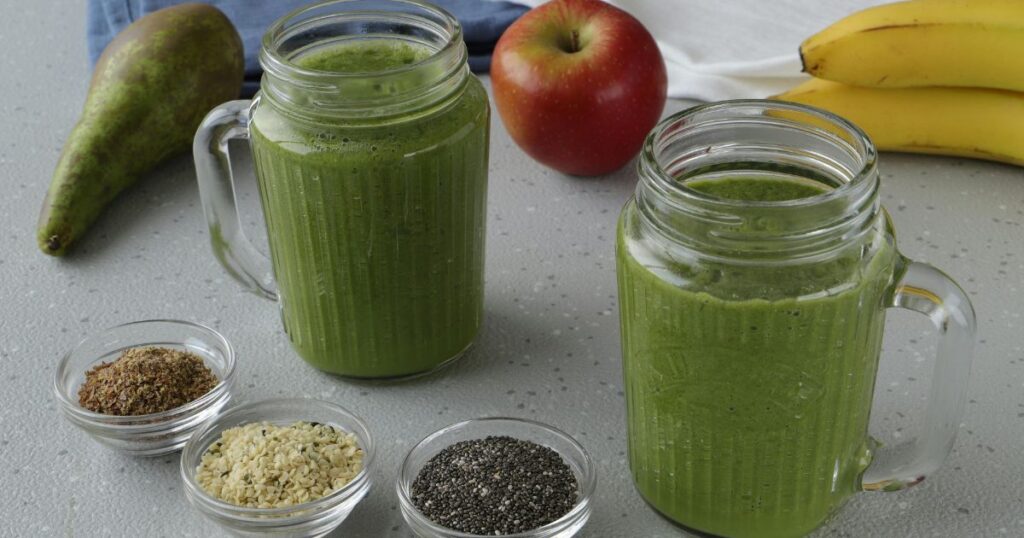
Choosing the right ingredients transforms a simple drink into a powerful fat-burning tool.
Best fruits for fat-burning smoothies
Berries, apples, kiwi, grapefruit, peaches—low-calorie, high-fiber fruits.
Protein sources that increase satiety and boost metabolism
- Whey protein
- Plant protein
- Greek yogurt (unsweetened)
- Cottage cheese
Best low-calorie liquid bases
- Water
- Coconut water
- Unsweetened almond milk
- Low-fat milk
How to Build a Perfect Weight Loss Smoothie
A perfect smoothie follows a clear formula, ensuring balanced nutrition and fat-burning benefits.
The “Fat-Burning Smoothie Formula”
- Protein
- Fiber
- Healthy fats
- Volume (greens + ice)
Customizing your smoothie for different goals
- Meal replacement → More protein + complex carbs
- Low-calorie snack → More greens + fewer fats
- Post-workout → Higher protein + carbs, fewer fats
The Best Time to Drink Weight Loss Smoothies
morning is the most effective time
starts metabolism and prevents overeating later.
Pre-workout vs. post-workout
Pre-workout = lighter, more carbs
Post-workout = more protein, moderate carbs
Drinking smoothies at night — good or bad?
Good if low-calorie and high-protein; bad if sugary.
Timing smoothies for appetite regulation
Mid-morning and lunch replacement work best.
Using smoothies as strategic meal replacements
1–2 per day is effective for fat loss.
Homemade Weight Loss Smoothie
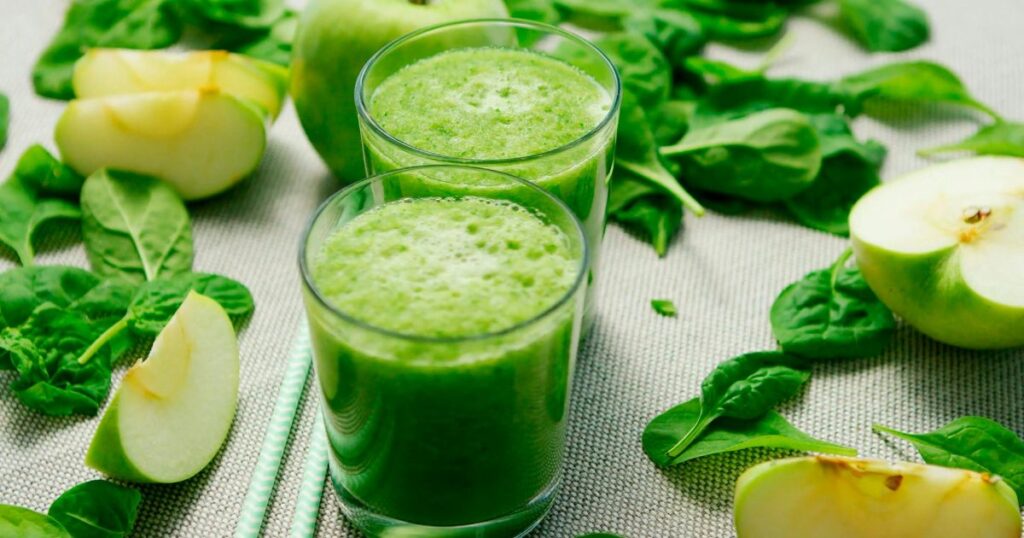
How to layer ingredients
Liquids → soft ingredients → greens → ice → toppings.
Controlling texture without adding calories
Use ice, frozen fruits, or zucchini.
Mistakes that ruin weight loss smoothies
Too much fruit, juice, sweeteners, or nut butter.
How to meal-prep smoothies
Make freezer packs with pre-measured ingredients.
Storage tips
Store in airtight jars for 24 hours or freeze for 1 month.
Are Smoothies a Good Way to Lose Weight?
Benefits
Portion control, nutrient density, appetite reduction.
When smoothies may not work
If they’re too high in calories or sugar.
Who should use smoothies
Busy individuals, those who struggle with overeating or skipping meals.
Smoothie myths
“Smoothies are automatically healthy.” Not true.
Smoothies vs. solid meals
Both work; smoothies are easier to control and digest.
The Best Weight Loss Smoothie Recommended by a Dietitian
Why this recipe works
High protein, high fiber, controlled calories.
Ingredients
- 1 cup spinach
- ½ cup berries
- 1 scoop protein
- 1 tbsp chia
- 1 cup almond milk
- Ice
Nutrition breakdown
Approx 300 calories, 25g protein, 10g fiber.
Method
Blend all ingredients for 60 seconds.
Customization options
Add oats for more fullness or extra greens for lower calories.