

Angostura Bitters Recipe
Angostura bitters are the world’s most famous aromatic bitters – an essential ingredient in cocktail culture and modern gastronomy. This guide covers everything you need to know about them: from history, key ingredients, home recipes, flavor science, pro tips, culinary and cocktail applications, to how to make your own batch at home that rivals the commercial versions. By the end, you’ll understand why these bitters are legendary and how you can make the perfect batch yourself.
History of Angostura Bitters
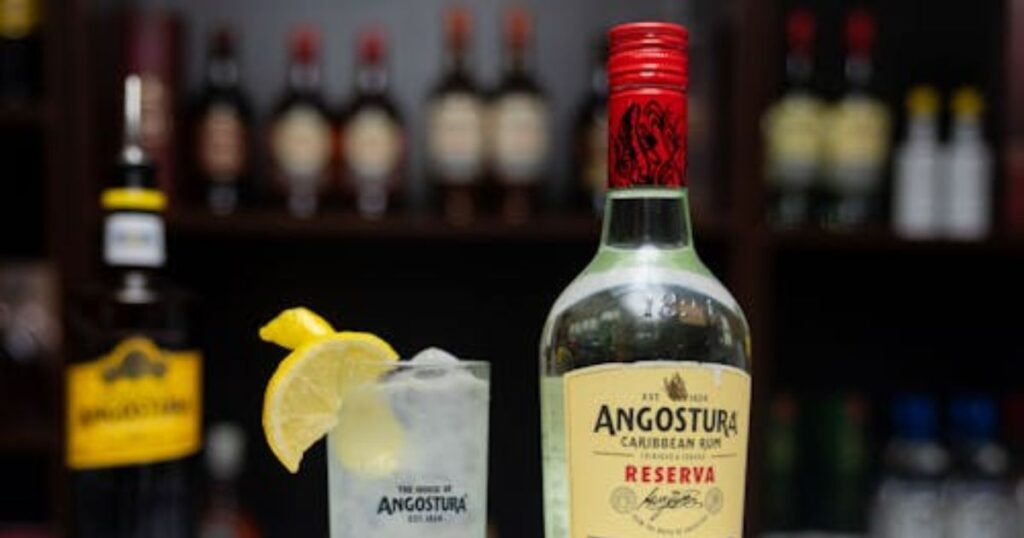
Angostura bitters were invented in 1824 by Dr. Johann Siegert in the Venezuelan city of Angostura (now Ciudad Bolívar).
Originally created as a medicinal tonic for digestive problems, it quickly became popular with locals and travelers. Early uses: Digestive aid for stomach problems, nausea, and general “tonic” purposes. Migration to Trinidad: Dr. Siegert moved production to Trinidad and Tobago in the 1830s, establishing the brand that is famous today.
Cocktail Revolution: By the late 19th century, bartenders had discovered bitters’ ability to balance sweetness, highlight flavors, and enhance aromas, further cementing its role in cocktails like the Old Fashioned and Manhattan. Fun fact: Despite popular belief, Angostura bitters do not contain Angostura bark — the name is taken from the original city, not the ingredient.
What Are Angostura Bitters Made Of?
The secret recipe is closely guarded, but extensive research and professional DIY experimentation reveal the main components:
Bittering Agents
- Gentian Root: Provides the signature bitterness
- Cinchona Bark: Adds depth and quinine-like sharpness
Aromatic Botanicals
- Cloves – Warm spice
- Cinnamon – Sweet warmth
- Cardamom – Floral, exotic tone
- Allspice berries – Earthy, complex
- Dandelion root, angelica root, golden seal – Herbal undertones
- Citrus peels (orange, lemon) – Brightness and balance
Note: The balance of bitter and aromatic components is critical — too much bitterness makes the drink harsh; too little reduces complexity.
The Science Behind Bitters
Bitters work chemically and psychologically:
- Bitterness stimulates saliva and digestive enzymes, enhancing taste perception.
- Aromatic compounds interact with olfactory receptors, making flavors appear more complex.
- Alcohol extraction: High-proof alcohol dissolves essential oils, alkaloids, and flavor compounds more efficiently than water, preserving long-term shelf life.
This explains why even a few drops of bitters drastically improve cocktails and culinary dishes.
Professional Homemade Angostura-Style Bitters
Here’s a deep-dive DIY approach for a professional-grade homemade version:
Ingredients (for ~400 ml finished bitters)
| Component | Amount | Function |
| Gentian root | 1 tsp | Bitter backbone |
| Cinchona bark | ¼ cup | Depth, quinine notes |
| Whole cloves | ½ cup | Warm spice |
| Cinnamon sticks | 6–8 | Sweet spice |
| Cardamom pods | ¼ cup | Exotic flavor |
| Allspice berries | 2 tbsp | Complexity |
| Citrus peels | 2–3 oranges/lemons | Brightness |
| High-proof neutral alcohol | 400 ml | Extraction medium |
| Filtered water | 2–4 cups | Dilution to taste |
Step-by-Step Process
- Prepare botanicals: Chop roots, zest citrus, lightly toast spices to release oils.
- Infuse in alcohol: Place ingredients in sterilized jars, pour alcohol, seal, and shake daily.
- Steeping time: Let sit 10–14 days for roots and bark; spices 4–6 days separately to avoid overpowering.
- Combine & filter: Strain solids, mix infusions, taste, and adjust bitterness with water.
- Bottle & age: Store in dark bottles; aging 2–4 weeks deepens flavors.
Extra tip: Keep a tasting journal small tweaks in botanicals can make a big difference.
Using Angostura Bitters Like a Professional
Classic Cocktails
- Old Fashioned: Bourbon + sugar + bitters
- Manhattan & Rob Roy: Adds depth and aromatic lift
- Trinidad Sour: Bitters-based cocktail for adventurous mixologists
- Pink Gin: Gin + bitters simple but flavor-packed
Culinary Applications
- Sauces: Enhance meaty gravies, reductions
- Marinades: Adds aromatic complexity to meat or tofu
- Desserts: Balances sweet desserts like chocolate cakes, custards, or fruit compotes
Expert tip: Start with 1–2 dashes, then increase gradually — a little goes a long way.
Tips for Superior Homemade Bitters
- Toast whole spices lightly to maximize essential oils.
- Use high-quality alcohol — neutral grain spirits extract flavors efficiently.
- Patience is key — longer aging = deeper complexity.
- Label & date each batch for consistency.
- Experiment in small batches before scaling up.