
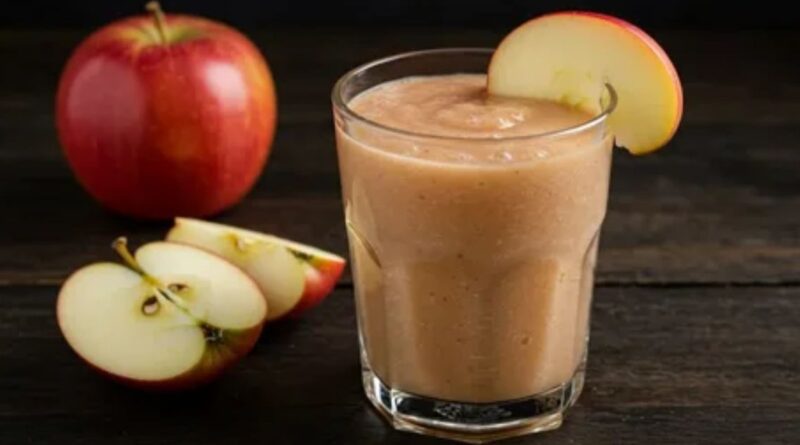
How To Make a Good Smoothie (Complete Beginner-Friendly Guide)
Learning How To Make a Good Smoothie is the first step to creating a delicious, healthy drink you can enjoy any time of day. When you know How To Make a Good Smoothie, you can balance fruits, liquids, and add-ins to get the perfect texture, flavor, and creaminess every time. This guide will teach you How To Make a Good Smoothie that is thick, refreshing, and full of nutrients, whether you want a frozen fruit smoothie, a greek yogurt smoothie, or a high-protein smoothie. With the right ingredients and simple techniques, anyone can make smoothies that taste amazing and feel healthy.
Smoothies are extremely popular in the USA because they offer quick energy, nutrition, and comfort in one glass. You can use fresh or frozen produce, including berries, bananas, or tropical smoothie fruits, and explore endless smoothie combinations. It also helps when you understand what should I put in my smoothie, which fruits to use in a smoothie, and what liquid do I use for a smoothie because these choices define flavor and thickness. This is why people love a homemade smoothie guide that explains every detail in simple English.
What Is a Smoothie & Why It’s So Popular?
A smoothie is a thick blended drink made with smoothie base ingredients like fruit, liquids, yogurt, or nuts. Many Americans enjoy it as breakfast, a snack, or even dessert because the drink works in any season. Some love a cold and refreshing frozen fruit smoothie, while others prefer a rich and creamy blend that uses banana in smoothies and greek yogurt smoothie mixtures. Smoothies became popular because they taste good, take minutes to make, and offer easy nutrition for people with busy lives.
The USA health movement also pushed smoothies into everyday routines. People wanted quick meals with vitamins, fiber, and protein, and this created a strong demand for smoothie nutrient boosters such as chia seeds, flax seeds, or protein powders. These add-ins also help anyone searching for healthy smoothie ingredients or trying healthy smoothie for weight loss plans. Many love using natural sweeteners for smoothies because they want healthier options than sugar. This popularity continues to grow every year as more people look for easy, healthy ways to fuel their day.
Are Smoothies Healthy?
Smoothies can be healthy when you use balanced combinations of fruits, proteins, healthy fats, and liquids. Many choose best fruit for smoothies like strawberries, blueberries, mangoes, and pineapples because they bring fiber and antioxidants. Others like to create a berry smoothie blend for extra nutrients. Healthy smoothies often include seeds, nuts, vegetables, or yogurt because they make the drink more complete. People also ask can I use yogurt in smoothies, and the answer is yes because yogurt adds protein and improves thickness.
However, smoothies can become unhealthy when you add too much fruit juice or sweetened yogurt. This can raise sugar levels quickly. The key is following a balanced approach based on a proper smoothie ingredients checklist. Strong choices include protein powder, spinach, avocado, and fiber-rich fruits. Many Americans also like to create a protein smoothie ideas mix that pairs fruit with nut butters or oats. You can easily make a smoothie recipe for breakfast that keeps you full and energized for hours.
Essential Ingredients for a Perfect Smoothie
The best smoothie always starts with high-quality ingredients. Many beginners ask what should I put in my smoothie, and the answer depends on flavor and texture goals. A typical base includes fruits, liquid, yogurt, or a creamy element like avocado. Many choose avocado smoothie mix because it makes the drink soft and silky. Others prefer nut butter smoothies, seeds for smoothies, or smoothie with oats for extra energy. These ingredients give a strong foundation for the drink to feel balanced.
A great smoothie also needs a source of creaminess, flavor boosters, and sometimes smoothie add-ins like protein powder, honey, cinnamon, or greens. For a richer blend, many use greek yogurt smoothie styles. When making a dairy-free smoothie, people switch to almond milk or coconut milk. If someone needs dairy-free smoothie alternatives, plant-based yogurt and cashew milk work well. Smoothies taste even better when you understand how to make smoothies creamy using the right combination of ingredients that blend smoothly.
What Liquid Should You Use for a Smoothie?
The liquid you choose affects thickness, flavor, and overall nutrition. Many beginners ask what liquid do I use for a smoothie, and the answer depends on whether they want creamy, light, or fruity results. The best liquid for smoothies includes milk, almond milk, soy milk, oat milk, or even simple water. People also like unique options like cold tea or a refreshing cold coffee smoothie. If someone prefers sweet flavors, they may choose a chocolate milk smoothie or fruit juice.
Here is a simple comparison for USA beginners:
| Liquid Type | Texture | Flavor Strength | Good For |
| Dairy Milk | Creamy | Medium | Everyday blends |
| Almond Milk | Light | Mild | dairy-free smoothie |
| Coconut Water | Thin | Fresh | Summer blends |
| Fruit Juice | Thin | Strong | Sweet smoothies |
| Oat Milk | Thick | Neutral | how to make a smoothie thicker |
Choosing the right liquid depends on your goals and taste. You can experiment to learn how to make smoothies taste better.
Step-by-Step: How To Make a Smoothie at Home
Learning how to make a smoothie at home feels simple when you follow a clear method. Many USA beginners first learn the blender smoothie method, which makes the drink smooth and lump-free. Start by placing soft items like yogurt, bananas, or nut butter at the bottom of the blender. Then add frozen fruit or harder ingredients on top. This order creates better movement and prevents blades from getting stuck. Many people wonder how to blend a smoothie properly, and this simple technique works every time. The process creates a mix that feels smooth, thick, and refreshing.
After blending, check if the smoothie needs changes. Some people want a drink that feels thicker, sweeter, or colder. Others want a lighter texture that works as a breakfast drink. This is where the step-by-step smoothie recipe helps because you can always adjust. If it tastes bland, you can use honey or dates as how to sweeten a smoothie naturally options. If it is too thick, learning how much milk for a smoothie helps balance texture. If it is too thin, the next section teaches how to make a smoothie thicker using simple, beginner-friendly tricks.
How To Make Your Smoothie Thicker, Creamier & Smoother
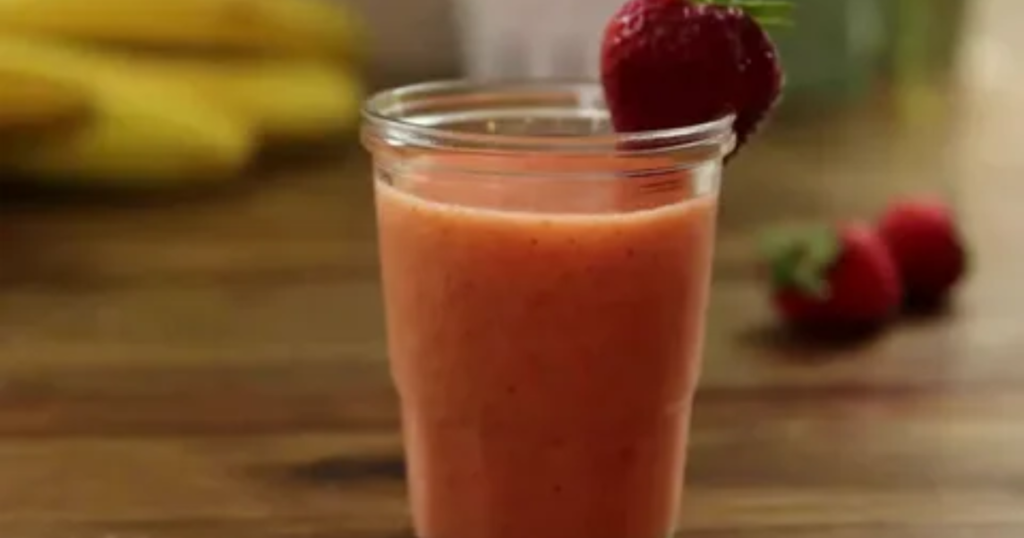
Many Americans want a thick smoothie formula that does not melt quickly, especially for breakfast or post-gym drinks. A thick smoothie comes from frozen fruits, Greek yogurt, avocado, or oats. These help anyone searching for how to make smoothies creamy because they add natural body without using ice. People often ask do I need ice for a smoothie, but the truth is that frozen fruit works better. Ice can water down the flavor while fruit creates a richer texture. This is perfect for anyone who wants a thick smoothie without ice.
You can also fix a watery blend easily. Many beginners search for how to fix watery smoothies, and the answer is more simple than they expect. Add more banana, frozen berries, or a spoon of nut butter. These ingredients thicken the drink without making it chalky. When someone asks how to make a smoothie thicker, the secret lies in understanding balance. You should also avoid too much liquid because that leads to thin blends. If your smoothie feels too dense, then learning how to fix thick smoothies helps by adding a little more milk or juice until the drink becomes silky.
Best Smoothie Variations (Fruit, Green, Protein & Detox)
Smoothies come in many styles because the USA has a strong culture of flavor experimenting. A fruit smoothie recipe can use strawberries, mangoes, or pineapples, while a green smoothie idea adds spinach or kale for extra nutrients. A berry smoothie blend works well for people who want antioxidants. Many love creating a pineapple mango smoothie because it brings tropical flavors without needing added sugar. These blends help anyone learn which fruits to use in a smoothie based on taste and nutrition goals.
For people who want more energy, a high-protein smoothie uses yogurt, nuts, seeds, or protein powder. A nut butter smoothie with peanut or almond butter adds healthy fats. Many use oats, seeds, and plant proteins because they want healthy meal replacements. Others choose detox blends that include ginger, cucumber, or greens. You can even create a smoothie with oats for more fiber or a kids-friendly smoothie with mild fruits like banana and peach. When you explore different smoothie combinations, you discover flavors that suit every mood and lifestyle.
Vegan & Dairy-Free Smoothie Options
Vegan smoothies have become popular across the USA because people want gentle, plant-based options. Many beginners ask for vegan smoothie options and dairy-free smoothie alternatives, especially if they avoid milk or yogurt. Almond milk, oat milk, soy milk, and cashew milk replace dairy easily. You can also use plant-based yogurt in your blend. A simple dairy-free smoothie becomes creamy when you add banana, avocado, or coconut cream. These ingredients remove the need for dairy while keeping flavor rich.
Many people also want nutritious choices that give energy. A healthy smoothie for weight loss may include spinach, chia seeds, or berries. Others want more protein, so they add plant-based powder or nut butter. When you explore vegan combinations, you learn new ways to use smoothie nutrient boosters, especially seeds like chia, flax, or hemp. These ingredients add minerals, fiber, and smooth texture without dairy. They also work well with tropical fruits, berries, and greens that blend easily into a light and refreshing drink.
Common Smoothie Mistakes & How To Avoid Them
Many beginners make mistakes when learning how to make a smoothie, but every mistake is easy to fix. Using too much liquid often makes the drink thin, and learning how to fix watery smoothies helps maintain texture. Using only fresh fruit can also create thin blends, which is why frozen fruit is better for a thicker base. Some people skip yogurt or creamy ingredients, which removes the smooth texture. This is why understanding the smoothie texture guide is so important for consistent results.
Another common mistake is forgetting balance. Too much sweet fruit creates a sugary drink, while too many greens create a sharp or earthy flavor. This is why people search for how to make smoothies taste better, and the answer is simple. Add citrus, spices, or natural sweeteners. You can fix flavor issues quickly by adjusting small ingredients. Beginners also forget to blend long enough, which creates lumps. When you follow the proper blender smoothie method, your drink always turns smooth and enjoyable.
Working of a Microwave (Detailed & Simple Explanation)
A microwave oven uses microwave radiation, which is a type of electromagnetic wave, to heat food. These waves mainly interact with water molecules inside the food.
Here’s how the process works step-by-step:
1. Magnetron Creates Microwaves
Inside every microwave oven, there is a component called a magnetron.
It converts electrical energy into microwave energy.
2. Waves Bounce Around Inside the Oven
The microwaves travel inside the oven’s metal chamber, reflecting off walls until they hit the food.
3. Water Molecules Start Vibrating
Microwaves penetrate the food and cause water molecules to vibrate very fast (millions of times per second).
This vibration generates heat.
4. Heat Spreads Through the Food
The vibrating molecules heat nearby molecules, warming the whole food item through conduction.
5. Safety Mechanism
The microwave oven door contains a metal mesh to keep radiation inside.
So no microwaves escape — it remains safe for users.