
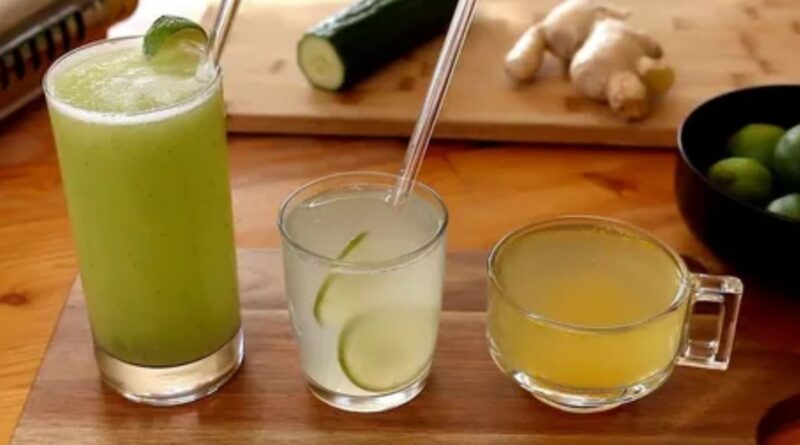
Drinks That Help Digestion After a Meal (Backed by Science)
Finding the right Drinks That Help Digestion After a Meal can make a big difference in how your stomach feels, especially after heavy or fatty foods. Many people struggle with slow digestion, bloating, or discomfort, and simple habits like choosing the right drink can support a healthier gut. Research shows that certain drinks can help the body break down food faster, support a healthy gut foods routine, and even prevent constipation naturally. These drinks also work well with a fibre rich diet for digestion and can improve bowel movement when used daily. Understanding which drinks truly help digestion can guide you toward smarter, gut-friendly choices.
Why What You Drink After Eating Matters
What you drink right after eating can either support or disrupt your body’s digestive process. Your stomach uses acids and enzymes to break down food, and certain drinks can speed up this process while others slow it down. Choosing healthy digestive drinks helps prevent discomfort, especially if you often struggle with gas, bloating, or stomach heaviness. Many people don’t realize that using the right drinks can work just like digestion friendly foods because liquids act faster inside the gut.
Hydration plays a powerful role because it helps improve bowel movement, softens stool, and supports a stomach friendly diet. People who drink enough water and herbal liquids after meals experience fewer digestive problems. Research shows that even small changes, like drinking warm water or mild teas, can reduce symptoms of poor digestion for most adults. This makes it easier to prevent constipation naturally and avoid gut irritation from heavy meals.
How Digestion Works in the Body
Digestion begins the moment you take a bite of food, and your stomach breaks everything down using acid, enzymes, and muscle movement. Fluids help carry nutrients through your intestines, and this is why fluids for healthy digestion are extremely important. When you choose drinks that support this process, you allow your gut to function more efficiently, especially if you eat a lot of fruits and vegetables for gut health, beans and oats for fibre, or other fibre-rich foods.
Many people in the USA struggle with digestive discomfort because they don’t follow a fibre rich diet for digestion. Without enough fibre, stool becomes hard and slow to move, creating bloating and discomfort. Eating from a high fibre foods list and drinking the right fluids after meals helps your gut break down food smoothly. Drinks also support enzyme activity and reduce inflammation inside the gut, especially for people with IBS friendly foods in their diet.
Best Drinks to Help Digestion After a Meal
Warm Lemon Water That Supports Digestion
Warm lemon water is one of the simplest healthy digestive drinks because it encourages stomach acid flow and hydrates the body at the same time. The mild acidity of lemon does not harm the stomach but instead stimulates digestive enzymes naturally. Many people drink it after fatty meals because it helps reduce heaviness and supports how to manage digestive problems effectively.
Ginger or Peppermint Herbal Tea
Ginger and peppermint teas are the most popular herbal teas for digestion because they calm the muscles in the digestive tract. Ginger reduces inflammation and eases the feeling of fullness, while peppermint helps with gas, nausea, and cramps. These teas are great choices for people who want to avoid bloating foods and soothe discomfort quickly.
Fennel Tea or Fennel Water for Gut Support
Fennel contains natural compounds that relieve gas and support bowel movement. Drinking fennel tea after meals helps the stomach relax and reduces pressure from gas buildup. Many people who track gut symptom triggers in a food diary for digestion problems find that fennel water is one of the best natural remedies for bloating.
Buttermilk or Digestive Lassi for Better Digestion
Digestive lassi contains probiotics, making it helpful for people with gas or stomach heaviness. Buttermilk improves gut function by adding friendly bacteria in gut and reduces irritation from spicy or acidic meals. People with mild dairy digestion issues often tolerate buttermilk better than milk because the culturing process reduces lactose.
Green Tea (Light Brew) for After-Meal Calm
Green Tea is a popular choice for anyone looking to support their digestion naturally. Drinking Green Tea after a meal can help calm the stomach, improve enzyme activity, and reduce bloating. Unlike coffee, Green Tea is low in caffeine, which means it won’t trigger caffeine and heartburn, making it safe for sensitive stomachs. Many people pair Green Tea with digestion friendly foods such as oats, vegetables, and lean proteins to enhance nutrient absorption. Studies show that Green Tea contains antioxidants that support healthy gut foods and maintain a balanced digestive system. Sipping a warm cup after lunch or dinner can also aid how to prevent constipation through diet by gently stimulating bowel movement. With its soothing flavor and digestive benefits, Green Tea has become a staple drink for anyone who wants a calmer, healthier gut.
Apple Cider Vinegar Drink
ACV helps stimulate stomach acid, which makes it easier for your body to digest protein and fat. Many adults use it before heavy meals to prevent bloating and acidity, especially when trying to avoid trigger foods for gut. ACV works best when diluted and taken in small amounts.
Coconut Water for Gut Hydration
Coconut water hydrates naturally and contains electrolytes that support intestinal movement. It’s easy on the stomach and reduces dryness in the gut, which helps how to prevent constipation through diet. People who eat a stomach friendly diet often use coconut water to support smooth digestion.
Kombucha (Probiotic Drink)
Kombucha is packed with probiotics that support gut bacteria balance. These probiotics help break down food more efficiently and reduce gas formation. Kombucha is especially useful for people who want a natural way to improve gut health without supplements and prefer natural gut-friendly eating tips.
Ajwain (Carom Seed) Water
Ajwain seeds have been used for centuries to reduce gas and indigestion. Drinking ajwain water after meals helps break down food faster and prevents acid buildup. This drink is helpful for people with slow digestion who need a simple home remedy for stomach pressure and discomfort.
Aloe Vera Juice for Digestive Comfort
Aloe vera juice soothes the stomach lining and reduces inflammation. It helps reduce acid reflux, supports bowel movement, and improves hydration inside the gut. Many people find it helpful when dealing with lactose intolerance symptoms or irritated digestive systems.
Best Drinks for Digestion After Dinner
Drinking the right beverages after dinner can make nighttime digestion easier and help your stomach rest comfortably. People often deal with gas, heaviness, and acid reflux at night because they choose the wrong drinks. Mild herbal teas, warm water, and low-acid options help the digestive system work smoothly without disturbing sleep. These drinks often reduce foods that cause bloating and prevent nighttime discomfort.
Studies show that warm drinks improve stomach mobility by relaxing the digestive muscles. This helps your gut break down food slowly throughout the night, making you wake up feeling lighter and more comfortable. For people trying to follow the best diet for IBS management, choosing low-acid, caffeine-free drinks after dinner is essential.
Drinks You Should Avoid After a Meal
Many popular drinks can harm your digestion when taken after meals. Coffee, strong tea, soda, and energy drinks increase stomach acid and cause irritation. These are considered drinks to avoid for digestion, especially for people who struggle with acidic foods causing heartburn. Drinks high in sugar or caffeine can slow down bowel movement and create pressure in the stomach.
People who frequently experience garlic and onion heartburn or spicy food and heartburn should avoid cold sodas or fizzy drinks because they worsen bloating. It’s important to understand how fizzy drinks affect digestion and why they trap gas inside the stomach. Choosing non-fizzy, mild drinks can reduce the risk of discomfort after eating.
Is Coffee Good or Bad for Digestion?
Coffee can help stimulate bowel movement for some people, but it often irritates the stomach lining. Many adults in the USA suffer from why caffeine causes heartburn after drinking coffee with meals. Coffee should be consumed separately from food to reduce acid reflux and indigestion.
How to Choose the Right Drink for Digestion
Choosing the right drink depends on your meals, health condition, and digestive symptoms. Drinks like ginger tea, lemon water, or buttermilk work well after heavy meals, while green tea and fennel tea support lighter meals. You should also consider whether you have foods that trigger IBS symptoms, lactose intolerance, or sensitivity to acidity.
Understanding what to eat for a healthy gut and pairing foods with the correct drinks can make digestion smoother. People trying to reduce fatty foods for digestion should choose drinks that help break down fats or support good bacteria. The ideal drink is one that hydrates, supports enzyme activity, and reduces inflammation in the gut.
Lifestyle Habits to Improve Digestion
Good digestion depends not only on food and drinks but also on your daily habits. Simple actions like walking for ten minutes after meals improve circulation and help your body process food faster. Many nutritionists recommend light movement instead of lying down because it encourages better stomach function and reduces pressure in the digestive tract.
Eating slowly and chewing food thoroughly also supports digestion. When food is broken down properly, your stomach doesn’t have to work as hard. This is especially important for people with IBS and probiotics in their routine and those following a stomach friendly diet. These small changes help your gut handle meals more efficiently.
What Else You Can Do After Eating to Aid Digestion
Gentle stretching or deep breathing can ease stomach pressure and support gut movement. Avoiding tight clothing helps reduce bloating and allows your stomach to relax after meals. People who experience natural ways to soothe heartburn often find relief by maintaining good posture and avoiding lying down immediately after eating.
Using a food diary for digestion problems helps you understand which foods or drinks trigger discomfort. This becomes especially important for people who struggle with impact of acidic foods on digestion and want to plan their meals better. Making mindful choices after each meal reduces discomfort and supports long-term gut health.
When to See a Doctor for Digestive Issues
If digestive symptoms become frequent, severe, or long-lasting, it’s important to see a doctor. Issues like chronic heartburn, persistent bloating, unexplained weight loss, or bloody stool are signs that something deeper may be affecting your gut. These symptoms may indicate conditions that require medical care rather than home remedies.
People with dairy digestion issues, severe acidity, or suspected IBS should speak with a gastroenterologist. A doctor may suggest tests, medication, or personalized dietary plans. Understanding are probiotics safe to take daily and which foods worsen symptoms helps create a proper treatment plan. Professional guidance ensures you use the right drinks and foods safely.
(FAQs)
What is the best drink after a heavy meal?
Herbal teas, warm lemon water, or mild green tea help the stomach process food and reduce heaviness. These drinks support best drinks for better digestion.
Should you drink cold water after eating?
Cold water slows digestion for some people. Warm water is gentler and supports smoother gut movement.
Can milk help or worsen digestion?
Milk can worsen symptoms for people with signs of lactose intolerance. Buttermilk or yoghurt is usually easier to tolerate.
Do probiotics help with digestion?
Probiotics support the balance of bacteria and improve overall gut function. Understanding how probiotics improve gut health helps choose the right type.
Conclusion
Choosing the best drinks that help digestion after a meal is an easy and natural way to support your stomach. The right drinks can reduce bloating, strengthen the gut, and create smoother digestive flow. Whether you prefer herbal teas, lemon water, or probiotic drinks, each option supports a more comfortable and healthier digestive system. Pairing these drinks with healthy gut foods, hydration, and smart lifestyle choices creates strong and lasting digestive wellness.
Related Articles You May Like
Healthy detox drinks
Natural remedies for constipation
How to build a fibre-rich diet
Understanding probiotic foods
Get Our Gut-Friendly Wellness Newsletter
Sign up to receive fresh tips, gut-friendly recipes, digestive health advice, and wellness research sent straight to your inbox each week.
Was This Article Helpful?
Your feedback helps us create better content. Share your thoughts or rate this article so we can continue guiding you toward stronger digestive health.